Published by Toro Land & Ranch | Texas Rural Land Marketplace
Beekeeping has quietly become one of the most compelling reasons to buy rural land in Texas — not just as a hobby, but as a smart financial move. The right parcel can support a thriving apiary, qualify for an agricultural property tax exemption, and serve as a weekend retreat all at once.If you’ve been researching land for beekeeping in Texas, this guide walks through what to look for in a parcel, how many acres you actually need, which regions offer the best natural forage, and how the Texas ag exemption factors into your land search.
How Many Acres Do You Need for Beekeeping in Texas?
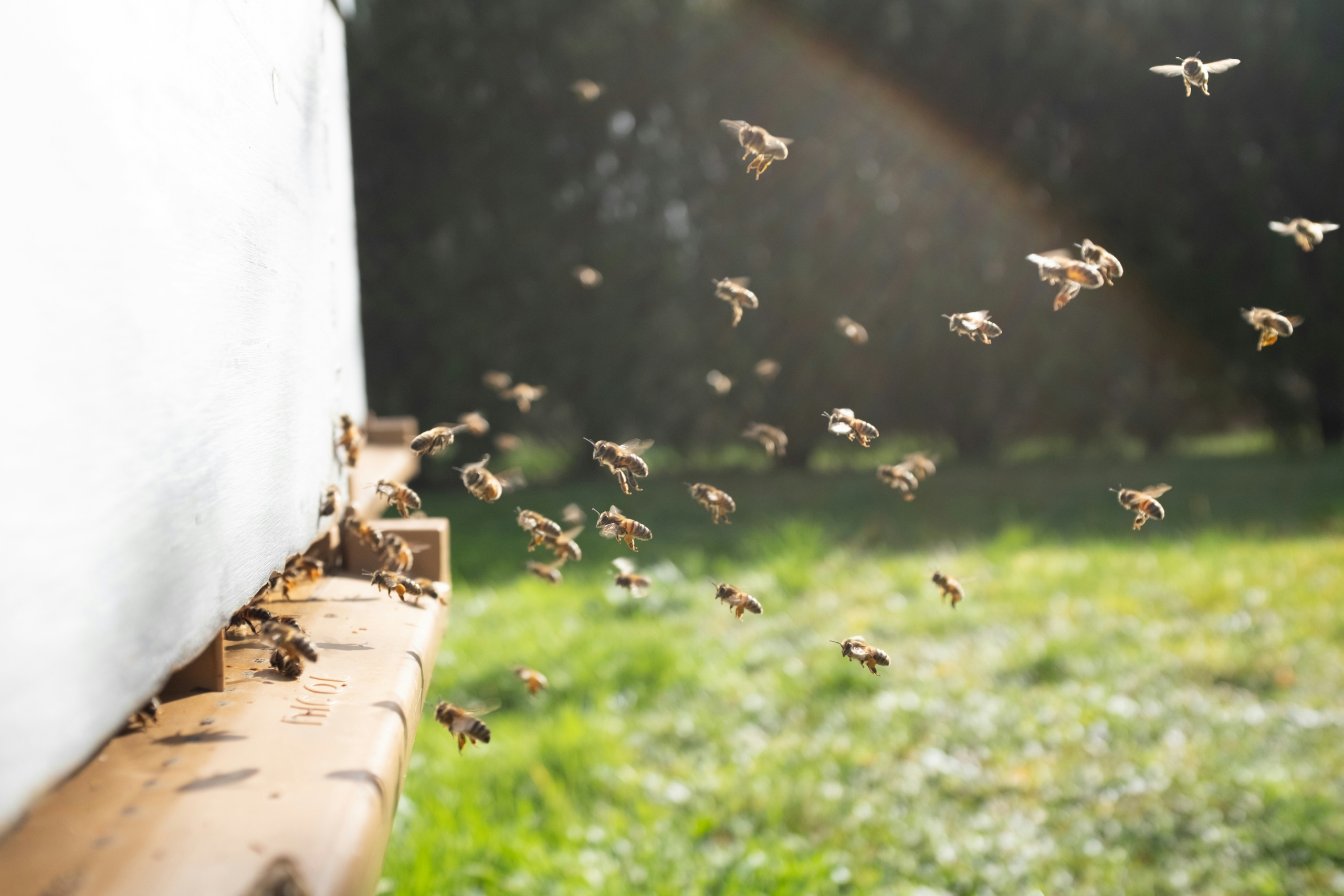
The good news: you don’t need a large spread to run a serious apiary. Honeybees forage up to two miles from the hive, which means your land doesn’t need to supply all the nectar and pollen — surrounding habitat does much of the work.
For a hobby operation of 2–10 hives, as little as 5 to 10 acres can be more than sufficient, provided the surrounding landscape supports good forage. At that scale, you’re managing bee health, harvesting honey, and enjoying the land without running a commercial operation.
For those looking to scale into 20, 50, or 100+ hives — a commercial or semi-commercial apiary — more acreage gives you room to space colonies, manage traffic, and establish dedicated forage plantings like clover, wildflowers, or fruit trees. In those cases, 20–50 acres or more becomes meaningful.
The key variable isn’t the number of hives per acre on your land — it’s the quality of forage within flying distance.
The Texas Ag Exemption: Why Beekeeping Land Is a Smart Buy
Here’s where the financial case gets interesting. Texas offers an agricultural use valuation (commonly called the “ag exemption”) that reduces the taxable value of qualifying rural land from market value down to its agricultural productivity value. The difference can be dramatic — sometimes reducing your annual property tax bill by 90% or more.
Beekeeping qualifies. In fact, it’s one of the more accessible qualifying uses because:
- The hive count requirement is low. Most Texas counties require 6 to 8 hives per qualifying tract of land.The acreage threshold is manageable. Many counties qualify tracts as small as 5 to 10 acres for beekeeping, compared to 10–20+ acres typically required for grazing or hay production.The barrier to entry is low. You don’t need to fence, irrigate, or maintain heavy equipment. A modest apiary can qualify and be managed by a single person on weekends.
Requirements vary by county, and tracts need to demonstrate active agricultural use — meaning maintained hives with documentation. But for buyers in the 7–20 acre range, beekeeping is one of the most practical pathways to ag valuation status.
Toro Tip: Always verify current ag exemption requirements with the county appraisal district before purchasing. Rules vary by county and are subject to periodic updates.
What to Look For in a Beekeeping Parcel
Not all rural land is created equal for an apiary. Here’s what separates a strong beekeeping parcel from a mediocre one:
1. Proximity to Natural Forage
Bees thrive near diverse, pesticide-light landscapes. Look for parcels adjacent to:
- Native wildflower meadows or open pastureWooded areas with native trees (black locust, tulip poplar, yaupon holly)Creek bottoms or river corridors, which often support dense understory bloomsAgricultural areas growing clover, sunflowers, or other pollinator-friendly crops
Avoid parcels surrounded by row-crop agriculture that relies heavily on herbicides or systemic pesticides — these can be hard on colony health.
2. Access to Water
Bees need water year-round. A natural water source — seasonal creek, stock tank, or pond — on or near the property is a meaningful plus. You can supplement with water stations, but proximity to natural water reduces your management burden.
3. Wind Protection
Hive placement benefits from natural windbreaks — a tree line, ridge, or fence row that shelters colonies from prevailing north winds in winter. Parcels with topographic variation or established tree cover on the north side tend to work well.
4. Sun Exposure
East-facing hive placement is ideal so bees warm up early and start foraging. Open parcels with morning sun and some afternoon shade (especially in Texas summers) support healthier colonies. Heavily wooded parcels with little sun can slow colony buildup.
5. Road Access and Ease of Entry
You’ll be visiting regularly — checking hives, extracting honey, managing varroa — so reliable road access matters. Paved or improved county road frontage makes the parcel more accessible year-round and more valuable if you ever sell.
6. Minimal Chemical Exposure Nearby
Do a basic review of surrounding land use. Heavy row-crop fields or turf farms that regularly apply systemic insecticides can create significant pressure on colonies within a mile or two. This doesn’t rule out a parcel automatically, but it’s worth researching.
Best Texas Regions for Beekeeping Land
Texas’s sheer geographic diversity means different regions offer different foraging calendars and landscapes. Here are the strongest areas to explore:
Hill Country (Gillespie, Blanco, Llano, Mason Counties)
The Hill Country is arguably Texas’s premier beekeeping region. The combination of native wildflowers, cedar, live oak, and seasonal creek bottoms creates a long forage window from late winter through fall. Agarita, horsemint (also called bee balm), huisache, and fall goldenrod make this region exceptional. Parcels here are in high demand, but the 10–30 acre range remains attainable.
East Texas Piney Woods (Cherokee, Nacogdoches, Smith Counties)
East Texas offers a different forage profile — deep wooded corridors, creek bottoms, and understory blooms that many beekeepers overlook. Tulip poplar, black locust, and tallow tree (invasive but a strong nectar source) support productive hives. Land here tends to be more affordable per acre than Hill Country, and the 7–20 acre sweet spot is very accessible.
South-Central Texas (Gonzales, DeWitt, Wilson Counties)
This transitional zone between the Hill Country and coastal plain offers mesquite and huisache blooms that can produce strong spring flows. Less topographically dramatic than the Hill Country, but solid forage diversity and reasonably priced land make it worth exploring for budget-conscious buyers.
North Texas Cross Timbers (Palo Pinto, Erath, Hood Counties)
Often overlooked, the Cross Timbers region offers a mix of post oak woodland, open pasture, and seasonal creek habitat. Proximity to DFW makes these parcels attractive for weekend operations, and acreage in the 10–50 range is still reasonably priced compared to more prominent regions.
Texas Coastal Prairie (Colorado, Wharton, Matagorda Counties)
For buyers farther south, the coastal prairie offers an entirely different forage calendar with strong tallow tree flows in spring and diverse wildflower pastures. Less culturally associated with beekeeping than the Hill Country, but productive and affordable.
Questions to Ask Before You Buy
When evaluating a parcel for beekeeping, a few due diligence questions go a long way:
- Does the county appraisal district recognize beekeeping for ag valuation? (Most do, but rules vary.)Is there existing agricultural use on the property? A history of ag use can smooth the transition to a beekeeping operation.What’s the water situation? Well, tank, creek, or dry?What are neighboring land uses? Row crops, turf farms, or orchards nearby can cut both ways — forage upside or pesticide risk.Is there existing infrastructure? A small barn, shed, or water hookup can save you real money at startup.What’s the road access like year-round? Caliche roads can become impassable in heavy rain seasons.
Putting It Together
Beekeeping land in Texas doesn’t require the biggest parcel or the highest price point. A well-sited 10–20 acre tract in the right county can support a productive apiary, qualify for an agricultural tax exemption, and serve as a genuine rural retreat — all within a reasonable drive from most Texas metros.
The key is knowing what to look for and where to look. Forage quality, water access, sun exposure, and chemical environment matter more than raw acreage. And in a state where property taxes are a real concern, the ag exemption pathway that beekeeping opens is worth factoring into your land budget from day one.
Toro Land & Ranch is a Texas rural land marketplace connecting buyers with landowners across the state. Browse available parcels or list your property at torolandranch.com.


Join The Discussion